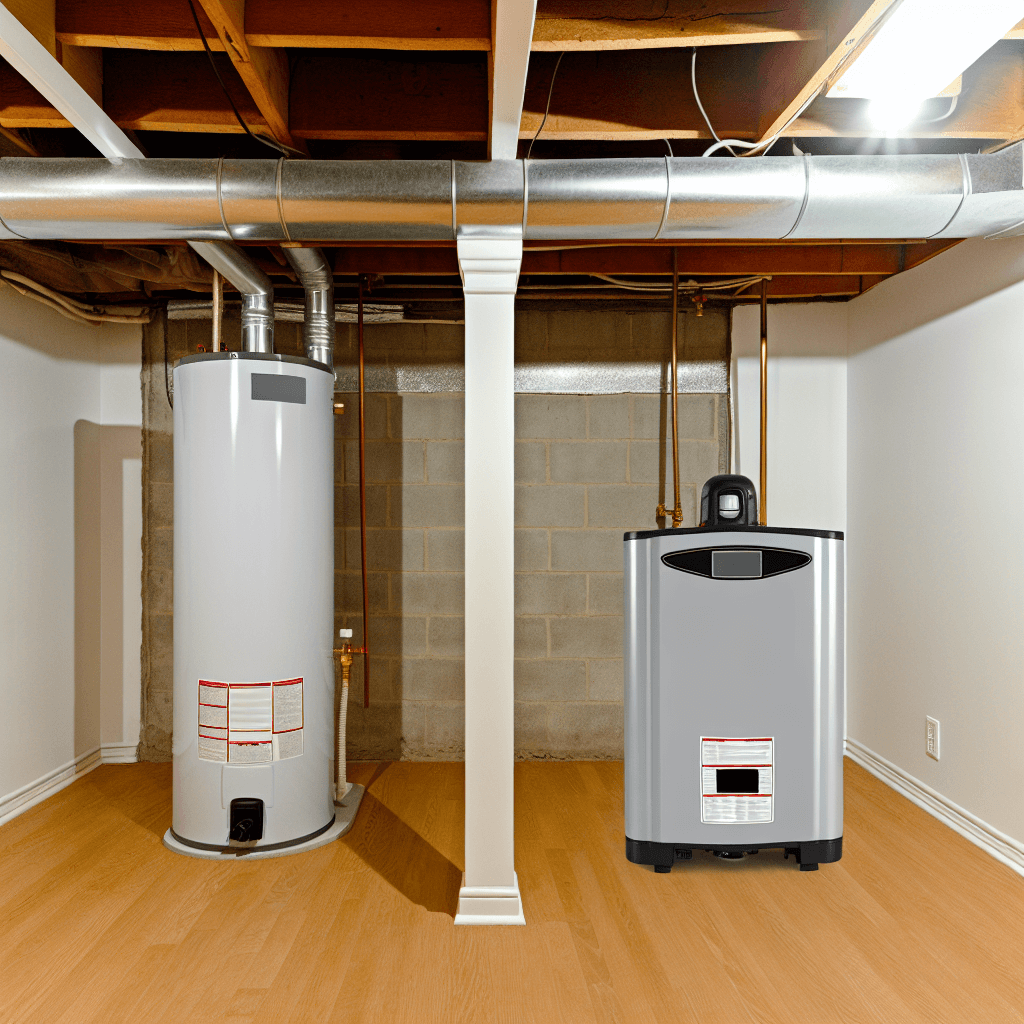
• Compare the energy efficiency of tankless water heaters to traditional tank models, emphasizing long-term cost savings.
• Explore the space-saving benefits and continuous hot water supply offered by tankless units.
• Discuss the longevity and maintenance requirements for both heater types to help homeowners make informed decisions.
Recognizing Signs of Water Heater Issues
If you’re routinely running out of hot water, it’s a clear sign that your current water heating system might not be keeping up with your household’s demands. Perhaps you’ve noticed the water temperature fluctuating, or it takes longer than usual for the water to heat up—this could indicate inefficiencies or impending failure. Additionally, any strange noises coming from your water heater should prompt immediate attention, as they often precede more significant issues. It’s essential to recognize these symptoms early, as they can help you determine whether a tankless or traditional tank water heater will best serve your home in Turlock.
Evaluating Hot Water Usage for Optimal Performance
Understanding your household’s water usage is vital when choosing between a tankless vs tank water heater. For instance, a large family with significant hot water needs at multiple points of the day may find a tank water heater falls short, whereas a tankless system can provide a steady stream. However, if your demand is more controlled or limited to specific times, a well-sized traditional tank may suffice. Consider your family’s size, habits, and peak water usage to ensure you’re not left in the cold during winter in Turlock, CA.
Cost and Efficiency: Pivotal Points in Water Heater Selection
Energy efficiency and cost effectiveness are key considerations when it comes to selecting a new water heater. A tankless water heater might have a higher initial price tag, but the potential savings on energy bills can be significant over time. On the other hand, while traditional tank heaters may be cheaper upfront, their constant heating might lead to higher monthly expenses. Balance these factors against your family’s needs and the typical winter temperature demands in Turlock to make a well-informed decision.
Comparing Water Heater Models
A closer look at the differences between tankless and traditional tank water heaters can guide Turlock homeowners to the right choice. Tankless models, known for their on-demand hot water supply, can reduce the frustration of cold showers during a chilly winter morning. However, these systems may require significant upfront modifications to your home’s plumbing, which can be expertly assessed by the professionals at Knights Plumbing & Drain. In contrast, tank heaters have a more straightforward installation but can consume more energy maintaining the water at a set temperature, which may not be as cost-effective in the long term.
Assessing Energy Efficiency
Energy efficiency takes center stage when considering a water heater, especially in energy-conscious Turlock. Tankless units typically offer greater efficiency as they heat water only when it’s needed, which can mean lower utility bills—a vital aspect during the winter when usage peaks. Traditional tanks maintain a reservoir of hot water, which can lead to standby heat loss and higher energy consumption. When contemplating the environmental impact and your monthly expenses, evaluating each system’s energy efficiency rating is a crucial step to ensure both eco-friendliness and cost-effectiveness for your home.
Step 1: Understanding Your Water Heater Needs
Evaluate your household’s hot water usage to determine if a tankless or tank water heater is more suitable. Consider factors such as the number of family members and peak usage times.
Step 2: Comparing Water Heater Types
Research the differences between tankless and tank water heaters, focusing on how they operate, space requirements, and energy consumption patterns.
Step 3: Assessing Energy Efficiency
Analyze energy efficiency ratings for both tankless and tank models, taking note of the potential energy savings and the impact on your utility bills.
Step 4: Calculating Costs
Calculate the upfront costs of purchasing and installing each type of water heater along with the long-term operational costs to understand the total financial investment.
Step 5: Planning for Installation
Review the installation process for tankless and tank water heaters, including space considerations in your Turlock, CA home and whether additional plumbing work will be needed.
Step 6: Reviewing Maintenance Protocols
Compare the maintenance requirements for both types of water heaters, including the frequency of servicing and potential costs for parts and labor.
Step 7: Considering Longevity and Replacement
Investigate the average lifespan of tankless and tank water heaters, understanding the signs of wear and when you’ll likely need to plan for a replacement.
Step 8: Making an Informed Decision
Gather all your research, and weigh the pros and cons based on your specific needs, seasonal considerations, and long-term goals for your Turlock, CA home before making your final decision.
Avoiding Common Water Heater Selection Mistakes
When upgrading your water heater, it’s crucial to sidestep common pitfalls that can lead to inefficiency, extra costs, and even property damage. Many homeowners in Turlock, CA, eager to enhance their comfort during the winter season, rush into decisions without assessing their specific needs. This section will address frequent missteps to ensure you make a well-informed and efficient choice for your home heating needs.
Mistake 1: Overlooking Household Hot Water Demands
Failing to accurately evaluate the volume of hot water usage leads many to select a heater capacity unfit for their household. To avoid this, tally up peak usage times and the water demands of simultaneous appliances before deciding on a water heater.
Mistake 2: Ignoring Operational Space Requirements
Homeowners often forget to account for the space needed to house a new water heater. For tank models, ensure there’s adequate room plus some allowance, while for tankless options, consider where the unit will be mounted and if existing plumbing allows for it.
Mistake 3: Misjudging Energy Efficiency Ratings
Understanding energy ratings is crucial, yet many misinterpret these figures, leading to less-than-optimal efficiency. Check both tankless and tank models’ efficiency ratings and compare them relative to your regular usage patterns and the Turlock climate to find the best fit.
Mistake 4: Underestimating Installation Costs
A common error is budgeting solely for the purchase price, neglecting installation expenses. To prevent unexpected costs, get a detailed quote that encompasses all installation requirements, including necessary plumbing modifications.
Mistake 5: Neglecting Maintenance and Service Intervals
Overlooking the maintenance needs of water heaters can diminish their lifespan and performance. Whether opting for tank or tankless, clarify the maintenance schedule and set reminders for servicing to maintain optimal function and avoid emergency repairs.
Mistake 6: Not Planning for the Future
Sometimes, the emphasis on immediate needs leads to ignoring long-term considerations. Reflect on the longevity of the water heater types and how future lifestyle changes may affect your choice, weighing the pros and cons carefully to select a system that aligns with your home’s evolving requirements.
Understanding the Investment
When budgeting for a new water heater, consider both the short-term and long-term financial impacts. Initial costs for tankless water heaters may be higher due to potential retrofitting, but their efficiency can lead to lower utility bills. Homeowners should examine these factors alongside the expected lifespan of the water heater to make a cost-effective decision.
Seamless Installation Process
Selecting the right water heater also means preparing for its installation. Knights Plumbing & Drain specializes in both tankless and tank water heater installations, ensuring your choice fits perfectly within the existing infrastructure of your Turlock home. With their expertise, you can anticipate a hassle-free setup and optimal functionality from your new system.