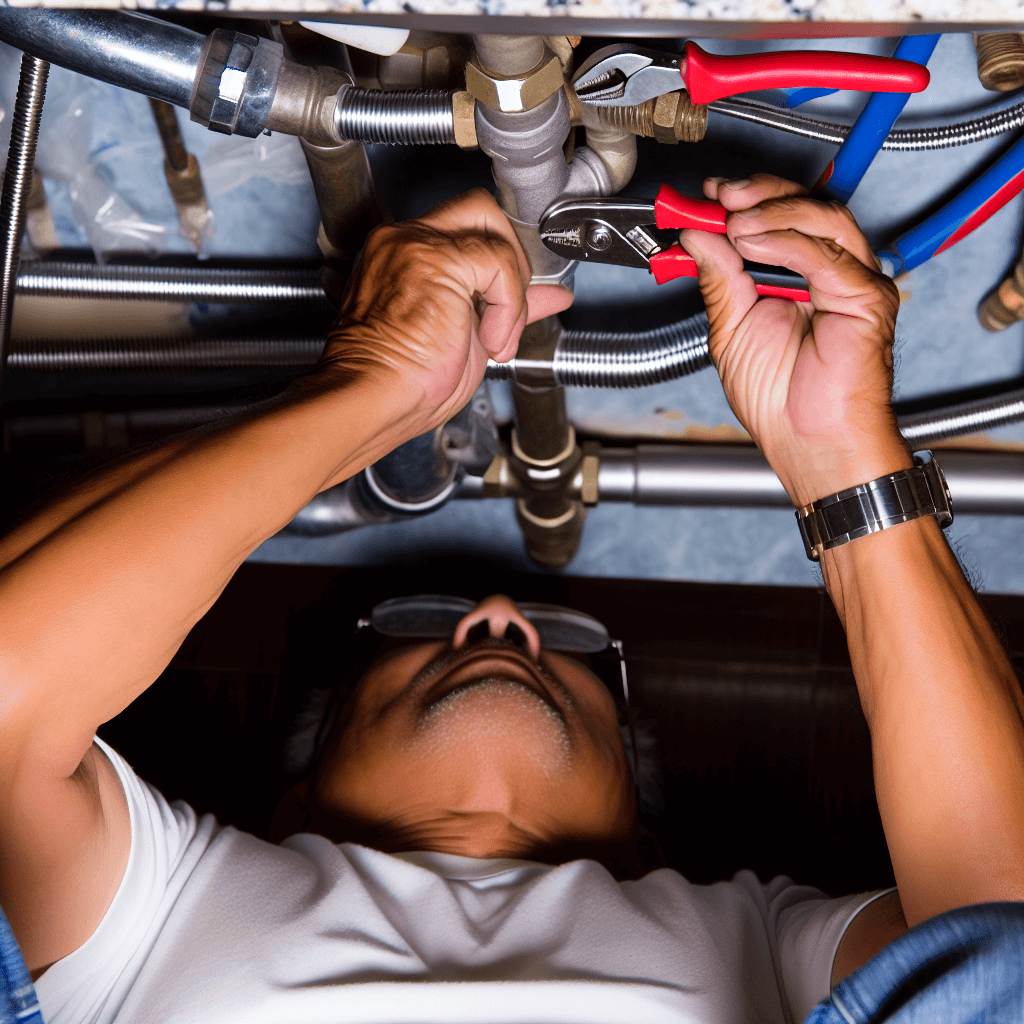
• Step-by-step guide on fixing low water pressure in your home
• Essential tips for identifying common causes and implementing solutions
• When to seek professional plumbing services for complex water pressure issues
Understanding the Signs of Low Water Pressure
Experiencing a decrease in water pressure can be more than just a minor inconvenience; it might signify underlying plumbing issues. When you turn on your kitchen faucet and the water barely trickles out, it’s a classic symptom to look out for. Similarly, if taking a shower feels less refreshing because the water flow lacks vigor, it’s another telltale sign that can’t be ignored. It’s pivotal to recognize these early warnings, as they could escalate to more serious problems if not addressed promptly.
In the midst of Stockton’s brisk winter, noticing that your once powerful jets of water have dwindled can be particularly dismaying. Several factors can lead to low water pressure, including a partially closed shut-off valve or mineral deposits blocking your faucets. A sudden change in water pressure may also be indicative of a faulty pressure regulator, which can affect the entire household’s water supply. Addressing these signs early can prevent the extra stress of dealing with emergency repairs during the colder months.
What starts as an annoyance may culminate in possible damage to your home, making understanding the cause of low pressure crucial. If water pressure drops when you use multiple fixtures at once, this might point to more systemic issues within your home’s plumbing. Identifying common causes such as these can save you time and effort before delving into more extensive solutions. Simple checks like these form the foundation for troubleshooting low water pressure before considering professional assistance.
Diagnosing the Root of the Problem
When you’ve noticed that your mornings no longer start with the robust stream of water you’re accustomed to, it’s time to inspect individual fixtures. By examining faucets and showerheads one by one, you can isolate whether the issue is a localized blockage or a broader concern. Should you find that only one fixture has low pressure, the fix might be as simple as cleaning out debris from the aerator or showerhead. However, if multiple fixtures are affected, this may suggest a more extensive obstruction or a systemic issue in your home’s piping.
After determining that the problem spans across several fixtures, a closer look at your plumbing system becomes necessary. Engaging in a hands-on inspection of your pipes, especially in older homes, might reveal corrosion or sediment buildup. For help with such inspections and any subsequent fixes, the experts at Knights Plumbing & Drain are always ready to assist. Remember, prompt attention to these issues not only restores water pressure but also preserves the longevity and integrity of your plumbing infrastructure.
Finding Solutions and Restoring Pressure
If your detective work pinpoints your water heater as the culprit, with a noticeable pressure drop only when using hot water, it’s crucial to investigate further. Check for any signs of leaks, assess the condition of the pressure-relief valve, and perform routine maintenance like sediment flushing. Neglecting such maintenance can result in a buildup that impairs water flow, reducing pressure and heating efficiency. Taking the necessary steps to maintain your water heater’s performance is key to ensuring consistent water pressure throughout the cold season.
For a more technical approach, a DIY water pressure test can be revealing. By attaching a pressure gauge to a hose bib or washing machine outlet, you can acquire a precise reading of your home’s water pressure. Comparing your results to the typical residential range can confirm whether you’re experiencing abnormally low pressure. This quantifiable data will serve as a guide, helping you decide whether it’s time to call in the professionals to address potential issues with your plumbing system.
Step 1: Identify Common Causes
Begin by checking the most common culprits of low water pressure, such as a shut-off valve that’s not fully open, clogged fixtures, or a faulty pressure regulator.
Step 2: Check Individual Fixtures
Inspect individual faucets and showers in your home to determine if the low water pressure is isolated or widespread. Clean aerators and showerheads to remove any sediment buildup.
Step 3: Inspect Your Pipes
Old, corroded or clogged pipes can also be at fault. Look for visible signs of deterioration or leaks and consider hiring a professional to check for hidden issues.
Step 4: Assess Your Water Heater
If the low pressure is only with hot water, your water heater could be the issue. Check for leaks, inspect the pressure-relief valve, and flush the tank to remove sediment.
Step 5: Test the Water Pressure
You can use a pressure gauge to test your home’s water pressure. Attach it to a hose bib or washing machine faucet and compare the reading with the standard residential pressure range (40 to 60 psi).
Step 6: Check the Main Shutoff Valve
Ensure the main water shutoff valve is fully open, as a partially closed valve can restrict the flow of water into your home.
Step 7: Reach Out to Your Water Supplier
Sometimes the issue could originate from outside your home. Contact your local water supplier to ensure there are no problems with the municipal water supply.
Step 8: Consult with a Plumbing Professional
If you’ve gone through all the previous steps and still experience low water pressure, it may be time to get an expert like Knights Plumbing & Drain to investigate and solve the problem effectively.
Common DIY Mistakes to Avoid When Addressing Low Water Pressure
Tackling low water pressure issues can be like walking a tightrope: careful balance is key, and a small misstep can lead to bigger problems. Homeowners often jump into DIY repairs with the best intentions, yet a lack of expertise can inadvertently compound their plumbing woes. To steer clear of these pitfalls, it’s helpful to know the common errors that crop up during DIY attempts to fix water pressure problems.
-
Mistake 1: Overlooking Simple Fixes
A common error is diving into complex solutions before checking simple causes like a partially closed main shutoff valve or a clogged faucet aerator. Ensure these basic checks are your starting point to avoid unnecessary work. -
Mistake 2: Ignoring Fixture-Specific Issues
Many DIYers wrongly assume that low pressure is a whole-house issue, causing them to overlook problems at individual fixtures. Try cleaning or replacing the aerators and showerheads first to solve localized low pressure problems. -
Mistake 3: Missing Early Signs of Pipe Damage
Corrosion and clogs in pipes build up over time and are easy to miss. Often, by the time homeowners take action, extensive damage has occurred. Regular inspections can identify and prevent escalating pipe problems. -
Mistake 4: Neglecting Water Heater Maintenance
It’s a common oversight to forget that water pressure issues can be specific to hot water, which points to the water heater. Regular flushing and inspections of your water heater can prevent sediment buildup that impairs pressure. -
Mistake 5: Misreading the Pressure Gauge
When testing water pressure, an incorrect reading or not comparing it to the standard pressure range can lead to misguided attempts at solutions. Proper use of the pressure gauge is crucial for an accurate diagnosis. -
Mistake 6: Forgetting to Check the Main Shutoff Valve
Not fully opening the main water valve is an easy mistake with serious implications for water pressure. Always ensure the valve is completely turned on after any repairs or adjustments. -
Mistake 7: Not Consulting the Experts Before It’s Too Late
Delaying a call to professionals like Knights Plumbing & Drain might seem cost-effective at first but can lead to costlier repairs if problems escalate. When in doubt, consulting an expert can save time and expenses in the long run.
When to Take Action and Contact Pros
At some point, after all at-home diagnoses and fixes have been explored, it might be evident that professional help is needed. Before the issue escalates into a full-blown plumbing emergency, reaching out to skilled technicians can save both time and money. Specialists from Knights Plumbing & Drain have the expertise to quickly diagnose and resolve issues causing low water pressure.
Stockton homeowners should also consider the peace of mind that comes with a professional plumbing audit. This proactive approach can uncover potential issues before they turn into costly surprises, especially as winter demands more from our home systems. Ensuring your plumbing is functioning optimally can not only restore water pressure but also safeguard your home against future problems.
Ensuring Peace of Mind
Maintaining strong water pressure isn’t just about comfort; it’s also about the health and longevity of your plumbing system. Regular checks and balances, tailored to your home’s specific needs, can prevent the gradual worsening of common issues. If you’ve followed the steps but still face challenges, it’s reassuring to know that expert help is a call away.
As you arm yourself with this valuable knowledge on troubleshooting and fixing low water pressure, remember that you’re not alone in upkeep of your home. Knights Plumbing & Drain is ready to stand by Stockton residents, ensuring that every drip, flow, and flush meets your expectations. Whether you’re dealing with decreased pressure or any other plumbing concern, those experts are the allies you need to ensure your home runs smoothly.