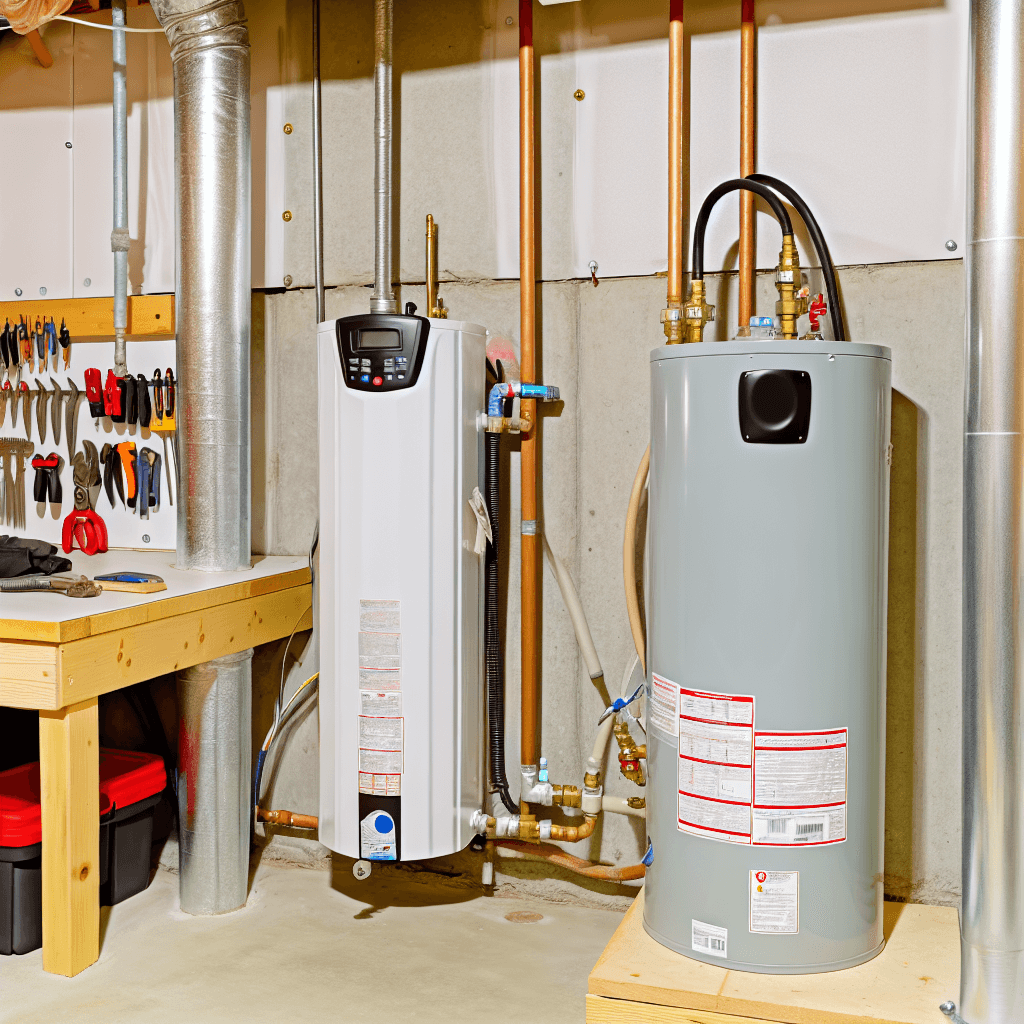
• Tankless Water Heaters: Compare the benefits and drawbacks of on-demand hot water systems, including energy efficiency and space savings.
• Heat Pump Water Heaters: Understand how they function, their environmental impact, and cost-effectiveness over time.
• Professional Consultation: Learn why opting for expert advice is crucial when choosing between tankless and heat pump water heaters for your home.
Recognizing the Need for a Change
As fall approaches in Ceres, CA, a reliable water heater becomes not just a comfort but a necessity. You may start noticing that your showers are abruptly turning cold, indicating that your current water heater is struggling to keep up. These unexpected temperature changes, along with a noticeable increase in your utility bills, could be the first signs that it’s time for an upgrade. It’s essential to acknowledge these symptoms early to prevent being left in the cold during the brisk autumn months.
Another sign that heralds the need for a new water heater is the age of your existing unit. If it’s been a dutiful companion for over a decade, it may no longer be as efficient as modern alternatives. Corrosion or rust-colored water can also be a telltale sign, one that points to a system that is nearing the end of its life cycle. Addressing these concerns promptly can save you from unexpected breakdowns and costly emergency replacements.
The most subtle yet indicative signs require a keen eye; listen for unusual noises or look for leaks around your water heater. Such disturbances could imply sediment buildup or internal failures. Before diving into Step 1: Understand Your Water Heating Needs, consider these red flags seriously. They set the stage for taking action towards a more efficient, cost-effective, and environmentally friendly water heating solution.
Mapping Your Water Heater Performance
When Ceres’ fall chill sets in, a dependable water heater is crucial for comfort and efficiency. Begin by examining your daily routine; the relatable pattern of morning showers, dishwashing, and laundry can reveal much about your hot water needs. A tankless water heater might be poised to meet these demands with on-demand service, or perhaps the steady, renewable energy of a heat pump system aligns better with your home’s rhythm. It’s important to recognize that your lifestyle is a primary factor in the decision-making process.
If your water heater seems increasingly out-of-sync with your home’s demands, your next step is crucial. Consulting with seasoned professionals at Knights Plumbing & Drain can offer insights that transcend basic troubleshooting. With years of expertise in local water heater services, they can assess whether you’re better off repairing your current system or upgrading to a new tankless or heat pump model. They will help you navigate through Step 2: Compare Energy Efficiency and beyond, ensuring you make the most informed choice for your household.
Evaluating Your Water Heater’s Efficiency
Commit to understanding the metrics that signal efficiency in water heaters. The Energy Factor (EF) and Uniform Energy Factor (UEF) ratings can guide you to the most efficient units. A higher rating signifies a more efficient water heater, which can translate to tangible savings on your energy bills—a particularly relevant consideration in Ceres during the cooler seasons. Thus, taking the time to decode these figures will prove beneficial not just for immediate needs but for long-term household sustainability.
In your efficiency quest, be mindful of the installation stipulations which could influence your final selection of a water heater. Some homes might require updates to the existing infrastructure to accommodate a tankless system, such as improved electrical panels or augmented gas lines. In contrast, a heat pump water heater might only warrant sufficient surrounding space to ensure optimal functionality. This initial groundwork is a vital precursor to a successful upgrade, paving the way for reduced energy consumption and increased cost-efficiency.
Step 1: Understand Your Water Heating Needs
Begin by evaluating your household’s daily hot water consumption. Consider the number of bathrooms, your laundry routine, and kitchen usage to determine if a tankless water heater or a heat pump water heater better suits your needs.
Step 2: Compare Energy Efficiency
Research the energy efficiency ratings of both tankless and heat pump water heaters. Look for the Energy Factor (EF) or Uniform Energy Factor (UEF) ratings, which indicate how well the unit converts energy into hot water.
Step 3: Analyze Installation Requirements
Investigate the installation prerequisites for both types of heaters. Tankless units may require electrical upgrades or gas line modifications, while heat pump water heaters generally need ample space for air circulation.
Step 4: Consider Environmental Impact
Examine how each water heater type impacts the environment. Tankless heaters often provide instant hot water with less standby loss, whereas heat pump systems utilize ambient air, making them more eco-friendly.
Step 5: Calculate Potential Savings
Utilize online calculators or consult with professionals to estimate the long-term savings you could experience with each water heater type, factoring in the initial purchase price, operating costs, and potential energy savings.
Step 6: Explore Maintenance and Longevity
Understand the maintenance needs and expected lifespan of both tankless and heat pump water heaters. Tankless units may have a longer lifespan due to fewer corrosion risks, which is crucial for long-term cost analysis.
Step 7: Read Consumer Reviews and Comparisons
Look up customer reviews, industry comparisons, and performance data to see how each type of water heater holds up in real-world conditions, especially those that focus on “tankless vs heat pump water heater comparison.”
Step 8: Make an Informed Decision
Combine your findings from the above steps to make an informed decision about which water heater type is best for your home in Ceres, CA, considering the Fall season where both heating efficiency and cost-effectiveness are significant factors.
Navigating Common Pitfalls in Water Heater Selection and Maintenance
Embarking on a DIY journey to select and maintain your water heater in Ceres, CA, can be fraught with pitfalls. Whether due to a lack of information or overconfidence in one’s handyman skills, such oversights can impact not only the efficiency of your heater but also your finances. By familiarizing yourself with these frequent errors, you can make more informed decisions and avoid unnecessary headaches.
- Mistake 1: Ignoring Household Consumption Rates
Many homeowners mistakenly choose a water heater without accurately assessing their household’s hot water needs. This can lead to inefficiencies, with units either being overworked or underutilized. To prevent this, tally up the frequency and duration of hot water usage across all bathrooms and appliances before making a decision. - Mistake 2: Overlooking Energy Efficiency Ratings
It’s common to opt for the initial cheaper model, disregarding the energy efficiency ratings that significantly affect long-term savings. By skipping a thorough comparison of the Energy Factor (EF) and Uniform Energy Factor (UEF) ratings, you might be incurring higher energy costs in the long run. Always analyze and aim for a high-efficiency rating for your water heater selection. - Mistake 3: Underestimating Installation Space and Requirements
Underestimating the space needed for installation and operation, particularly for heat pump water heaters, is another error. These units require ample space for air circulation to function optimally. Ensure your utility area has enough room around the water heater to avoid system inefficiencies or a complete overhaul of the installation space. - Mistake 4: Disregarding the Environmental Impact
Some homeowners may not consider the environmental repercussions of their water heater choice. Tankless water heaters and heat pumps differ in their ecological footprints, so it’s crucial to educate oneself on the environmental aspects alongside personal needs. Choosing an eco-friendly option can benefit not only the environment but also your utility bills through energy conservation. - Mistake 5: Miscalculating Long-Term Costs
A frequent oversight is focusing solely on the upfront cost, without factoring in maintenance, durability, and energy consumption for long-term expenses. To dodge this mistake, calculate the total cost of ownership, considering the average lifespan, maintenance requirements, and operating costs of both tankless and heat pump water heaters. - Mistake 6: Not Consulting Consumer Reviews
Ignoring customer feedback and professional comparisons can lead to uninformed decisions. Reviews and comparisons provide an average user’s perspective on performance and durability, which is critical when selecting a fitting model for your home. Take time to read reviews focused on “tankless vs heat pump water heater comparison” to understand real-world experiences. - Mistake 7: Making Snap Decisions
Hasty decision-making without comprehensive research is a recipe for future issues. Weigh all the considerations from personal needs and energy efficiency to cost and environmental impact carefully. Patience and diligence will aid in landing a decision that aligns with both the seasonal demands of Ceres and your home’s specific requirements.
Considering the Environmental Impact
Choosing the right water heater not only affects your household, but it also impacts the environment. Tankless water heaters appeal with their reduced energy waste, while heat pump water heaters are prized for their use of renewable resources. Selecting a system that aligns with your eco-conscious values is key, especially in Ceres where environmentally friendly choices are increasingly important.
Deliberating over tankless and heat pump options means you’re already taking a responsible step towards sustainability. Each choice has its ecological perks, from minimizing water waste to reducing greenhouse gas emissions. This decision is not just about indoor warmth; it’s about contributing to a healthier planet.
Projecting Your Financial Savings
Understanding the cost implications of your water heating choice is paramount. Estimating potential savings involves more than just the initial price tag; consider the long-term running costs and energy prices in Ceres. By crunching these numbers, you’ll gain a clearer perspective on which option is not only effective but also economical.
Don’t hesitate to seek expert advice to assist with these calculations. The professionals at Knights Plumbing & Drain understand the nuances of energy consumption and cost-related factors in water heating systems. Their guidance can steer you through Step 5: Calculate Potential Savings, helping you navigate the financial aspect of your decision.