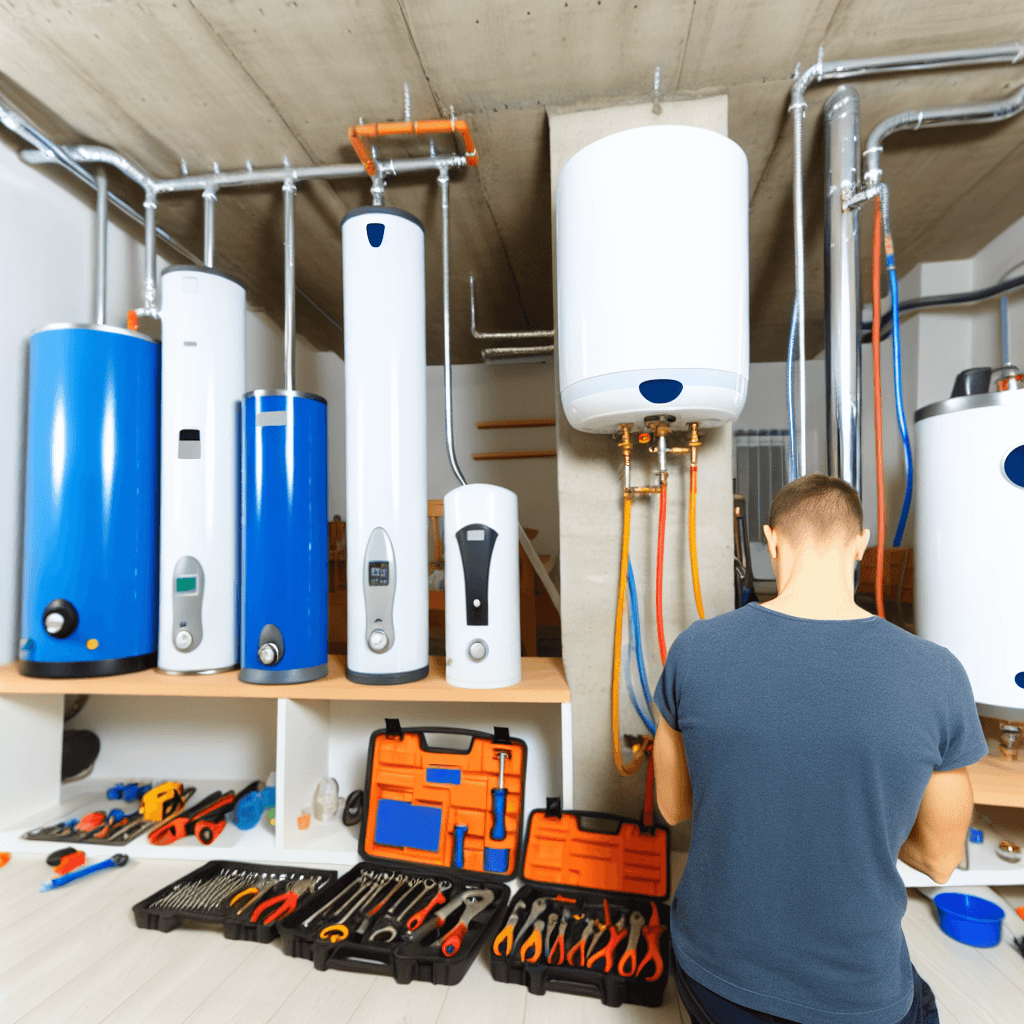
• Understanding Water Heater Lifespan: Discover the average service life of different water heater models, factors affecting durability, and signs that indicate replacement is needed.
• Maintenance Best Practices: Learn vital maintenance tips that extend the life of your water heater, including regular inspections, temperature settings, and sediment flushing.
• Professional Help for Longevity: Recognize why enlisting professional services can ensure optimal functionality, safety, and longer lifespan for your water heater investment.
Recognizing the Lifespan of Your Water Heater
As the winter chill grips Escalon, CA, the last thing any homeowner wants is a cold surprise from a failed water heater. But how long do water heaters last, and what are the telltale signs that it’s time to consider a new one? From irregular water temperatures to unexpected noises, your water heater communicates in various ways that it may need attention. Knowledge of these signals, coupled with a keen sense of observation, can prevent the inconvenience of sudden malfunctions.
Problematic Signs to Watch For
If your morning shower is starting to feel more Antarctic than Amazonian, it’s a clear sign to check on your water heater’s health. Discoloration in your hot water, often a rusty or muddy appearance, can imply that your heater’s interior is corroding, a serious signal that replacement might be imminent. Mysterious noises, such as pops or cracks, could suggest sediment buildup, which can significantly diminish efficiency and longevity. It’s essential not to ignore these cues, as they are the water heater’s way of crying out for help before a total breakdown.
Maintenance and Early Detection
Regular vigilance is your ally in prolonging the life of your water heater. A quick visual inspection for signs of rust on the tank or moisture on the floor can save you from larger issues down the road. The manufacturer’s label is a treasure trove of information, revealing not only the model and serial numbers but also the anticipated lifespan. By acknowledging these aspects early, your interventions can be timely, avoiding the disruption of unexpected water heater failures.
Steps for Water Heater Longevity
Knowing the type of water heater you have is critical for understanding its potential lifespan and maintenance needs. Traditional tank water heaters typically have a shorter lifespan compared to their tankless counterparts. It’s wise to familiarize yourself with the operational dynamics of your specific model, whether it involves routine tank flushing or checking for power supply issues in electric types. Such proactive steps are crucial for extending the life expectancy of your water heater and ensuring it remains a reliable source of comfort in your home.
When to Seek Professional Assistance
Even with diligent maintenance, there comes a time when a water heater may signal the need for professional intervention. If you notice consistent performance issues, such as fluctuating temperatures or prolonged heating times, it’s a sign that something may be amiss. For those concerns that go beyond DIY fixes, it’s important to enlist the help of experienced professionals who can offer comprehensive services, from repairs to replacements. Residents in Escalon, CA, can turn to Knights Plumbing & Drain for expert water heater solutions tailored to their unique needs.
Step 1: Identify Your Water Heater Type
Understand whether you have a traditional tank water heater or a tankless model, as the lifespan can vary significantly between types.
Step 2: Check the Manufacturer’s Lifespan Estimate
Locate the manufacturer’s label on your water heater, which typically includes the expected lifespan alongside the model and serial numbers.
Step 3: Inspect for Signs of Wear and Tear
Regularly examine your water heater for any visible signs of deterioration, such as rust on the tank or around the pipes and connections.
Step 4: Assess Water Quality
Look out for discolored or rusty water, which can indicate the inner lining of the tank is corroding and suggest that the water heater is nearing the end of its useful life.
Step 5: Monitor Heating Efficiency
Pay attention to how well and how quickly your water heater provides hot water, as a decline in heating efficiency can signal that it’s time for maintenance or replacement.
Step 6: Listen for Unusual Noises
Be alert to noises coming from your water heater, like rumbling or banging sounds, which can be caused by sediment build-up affecting the heater’s performance.
Step 7: Schedule Regular Maintenance
Have a professional inspect and service your water heater at least once a year to ensure it’s operating correctly and to extend its lifespan.
Step 8: Plan for Replacement
Start considering a replacement if your water heater is close to the end of the manufacturer’s estimated lifespan or is showing multiple signs of significant wear.
Avoiding Common Water Heater Maintenance Mistakes
Engaging in do-it-yourself water heater maintenance can be a cost-effective way of managing your system. However, it’s important to navigate this territory with caution to prevent unintentional damage or safety hazards. Here, we’ll uncover the pitfalls that can occur when well-intentioned homeowners take the wrong steps during routine water heater upkeep.
- Mistake 1: Neglecting to Identify Water Heater Type
- Mistake 2: Overlooking the Manufacturer’s Lifespan Estimate
- Mistake 3: Ignoring Visible Signs of Wear and Tear
- Mistake 4: Disregarding Water Quality Changes
- Mistake 5: Not Monitoring Heating Efficiency
- Mistake 6: Dismissing Unusual Noises
- Mistake 7: Skipping Regular Professional Maintenance
- Mistake 8: Delaying the Inevitable Replacement
Many homeowners dive into maintenance without knowing their water heater type, which can lead to improper care techniques. Tank and tankless water heaters have different requirements — mistreatment can shorten the appliance’s lifespan. Prevent this by thoroughly researching your water heater’s specifications and maintenance needs.
Skipping a check on the estimated lifespan can result in unexpected failures. This lifespan estimate is crucial for scheduling maintenance or a replacement before major issues arise. Locate the manufacturer’s label and plan your maintenance schedule accordingly to avoid being caught off guard.
Homeowners often miss the early signs of wear, like minor rusting or small leaks, thinking they’re not serious. However, these can be indicators of future leaks and efficiency issues. Regular inspection to catch and address these signs early on can save time and money in the long run.
Discolored water is sometimes dismissed as a municipal supply issue when it may signify tank corrosion. By neglecting to assess water quality regularly, you risk overlooking an important signal that your water heater requires attention or replacement.
It’s easy to ignore gradual changes in heating efficiency, but these can be red flags of component failure or sediment buildup. Regular testing to ensure quick and consistent hot water can help detect issues before they lead to a complete system shutdown.
When strange noises emerge from the water heater, they’re often disregarded as normal operation sounds. Yet, these can indicate sediment accumulation that affects heating efficiency and damages the tank. Listening and reacting to such noises can prevent costly repairs or replacements.
DIY enthusiasts may decide to forego annual inspections by professionals, which can lead to undetected problems. Qualified technicians have the skills to identify and fix issues that may not be apparent to the average homeowner.
It’s common to postpone replacement due to cost concerns or attachment to the current unit. However, delaying when multiple signs of aging appear can result in higher energy bills, water damage, and even safety risks.
Recognizing the End of the Road
Even the most cared-for water heaters have an endpoint to their serviceable life. If your heater has surpassed its expected lifespan or repairs are becoming more frequent and costly, it might be time to consider a replacement. Exploring newer, more efficient models can offer longer-lasting solutions and even reduce your monthly energy bills significantly.
Upgrading Your Water Heater Wisely
Upgrading to a new water heater is not only about improving efficiency but also about embracing modern technology that can provide better consistency in your hot water supply. Whether you’re considering a conventional water heater or a modern tankless variant, it’s important to choose a model that suits your household needs. For a seamless transition and professional advice on the latest water heating solutions, reach out to the experts at Knights Plumbing & Drain.