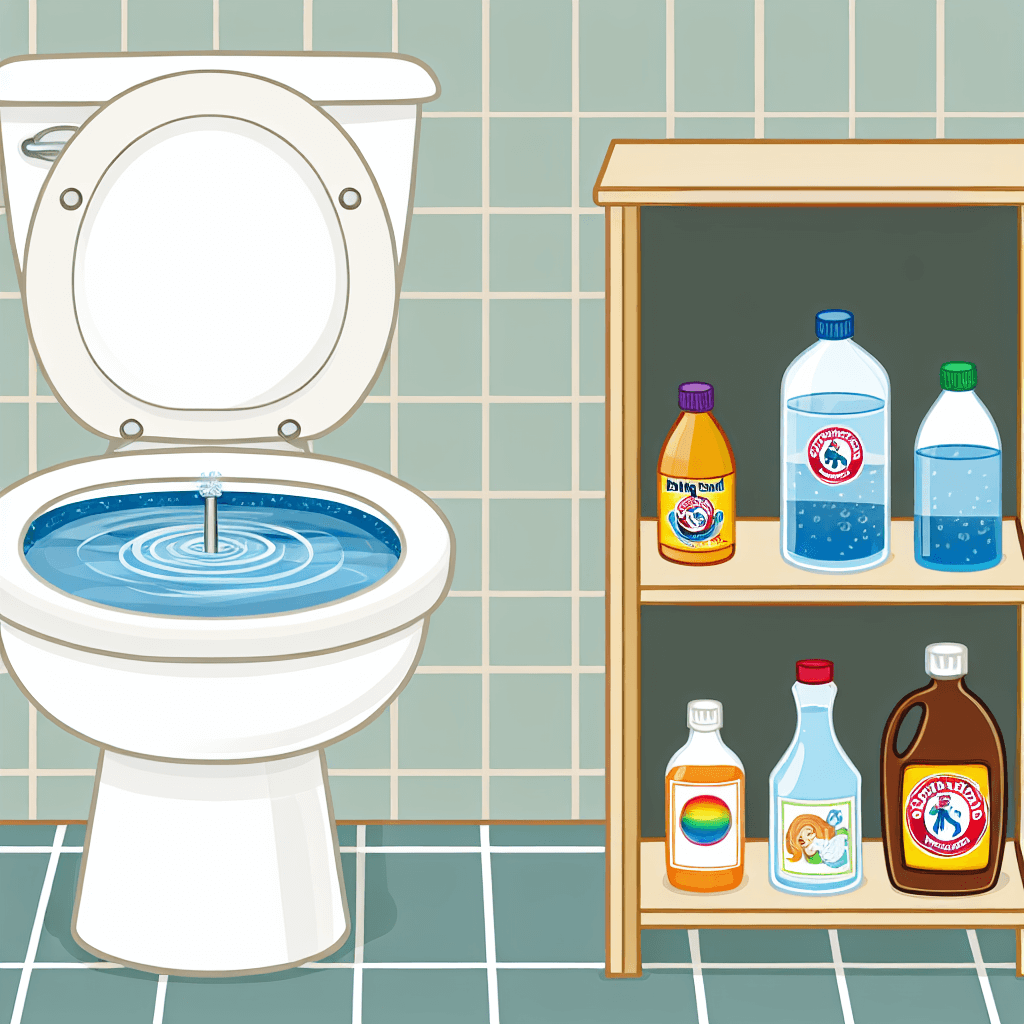
• Quick fixes to unclog toilets without the need for a plunger
• Step-by-step guide to resolve common toilet blockages
• Innovative solutions to keep your bathroom functional without delay
Preventing Future Plumbing Troubles
While it’s essential to know how to address a clog once it happens, it’s just as crucial to prevent them from occurring in the first place. Regular maintenance and mindful habits can greatly reduce the frequency of toilet clogs. Start by using less toilet paper and avoiding flushing anything other than human waste and toilet paper. Inspecting your plumbing for early signs of issues can also save you the headache and expenses of emergency fixes. Remember, a little vigilance goes a long way in keeping your plumbing in top condition.
Investing in regular professional inspections is another effective strategy for clog prevention. Experienced plumbers, like those at Knights Plumbing & Drain, offer comprehensive checks that can catch problems before they escalate. They can also recommend the best maintenance products and practices tailored to your home’s specific plumbing system. With expert guidance, you can ensure that your toilet remains clog-free and functional.
Finally, let’s look at the long-term benefits of these plumbing fixes. Not only do they save you from immediate discomfort, but they also protect the longevity of your pipes and fixtures. Consistent preventative measures can extend the life of your plumbing system, leading to less waste and lower costs over time. Embrace these insights as part of your household routine, and you’ll find peace of mind in knowing that a clogged toilet doesn’t have to ruin your day. Expert knowledge enables you to tackle plumbing issues with confidence.
Stuck Without a Plunger?
When you’re faced with a rising water level in your toilet bowl, panic is often the first response—especially if a plunger is nowhere to be found. It’s a common scenario that many of us dread: You flush, the water rises, and that sinking feeling sets in. But before you let anxiety take over, know that you’re not without options. There are several household items you can turn to, right in this moment of need, that can help you resolve the issue swiftly. Situations like these call for creative, practical solutions, and that’s exactly what we’re here to provide.
With toilets often choosing the least convenient moments to clog, the importance of a quick fix cannot be overstated. It’s during family gatherings, early morning rushes, or late-night emergencies that we recognize the true value of knowing how to handle a toilet clog without a conventional tool like a plunger. In these paragraphs, you’ll discover that several everyday items are your allies in the battle against stubborn clogs. By the end of this section, you’ll be equipped with the knowledge to tackle this issue head-on, using tools you likely already have within reach.
In ensuring that you have sound advice, we’ve consulted with experts in the field of plumbing and sewage to deliver reliable and safe methods. Whether you’re a homeowner or a renter, the need to address a clogged toilet quickly is universal. What’s forthcoming is a simple guide to freeing your toilet from its clogged woes, transforming what could be hours of frustration into mere minutes of easy fixing. By deploying our recommended techniques, you’ll not only save your day from disaster but also gain a new skill set that empowers you to handle similar challenges in the future.
Preventing Future Plumbing Troubles
While it’s essential to know how to address a clog once it happens, it’s just as crucial to prevent them from occurring in the first place. Regular maintenance and mindful habits can greatly reduce the frequency of toilet clogs. Start by using less toilet paper and avoiding flushing anything other than human waste and toilet paper. Inspecting your plumbing for early signs of issues can also save you the headache and expenses of emergency fixes. Remember, a little vigilance goes a long way in keeping your plumbing in top condition.
Investing in regular professional inspections is another effective strategy for clog prevention. Experienced plumbers, like those at Knights Plumbing & Drain, offer comprehensive checks that can catch problems before they escalate. They can also recommend the best maintenance products and practices tailored to your home’s specific plumbing system. With expert guidance, you can ensure that your toilet remains clog-free and functional.
Finally, let’s look at the long-term benefits of these plumbing fixes. Not only do they save you from immediate discomfort, but they also protect the longevity of your pipes and fixtures. Consistent preventative measures can extend the life of your plumbing system, leading to less waste and lower costs over time. Embrace these insights as part of your household routine, and you’ll find peace of mind in knowing that a clogged toilet doesn’t have to ruin your day. Expert knowledge enables you to tackle plumbing issues with confidence.
Insights From The Experts
Tip 1:
Before attempting to unclog the toilet, remove as much water from the bowl as possible. This allows for the use of unclogging agents like vinegar and baking soda more directly on the clog and minimizes potential mess.
Tip 2:
When using hot water to unclog a toilet, ensure it’s not boiling to avoid cracking the porcelain. Hot water can help melt fatty substances and make your unclogging efforts more effective.
Tip 3:
For a more environmentally friendly approach, regular use of a mixture of baking soda and vinegar can help maintain clear pipes and prevent clogs before they require urgent attention.
Tip 4:
If you’re using dish soap as a lubricant to help break down a clog, give it some time to work its way down. Flush with hot water after 20-30 minutes to help clear the clog.
Tip 5:
Avoiding clogs is just as important as knowing how to deal with them. Be mindful of what you flush, and consider using thinner toilet paper or a bidet to reduce the chances of clogs.
Expert Answers to Your Top Plumbing Queries
What are safe household items to use for unclogging a toilet?
Safe household items for unclogging toilets include dish soap, hot water, baking soda, and vinegar, all of which can break down common blockages without damaging plumbing.
How can you unclog a toilet using dish soap and hot water?
Pour a generous amount of dish soap into the toilet bowl, followed by hot water from waist height to encourage the soap to break down the clog, facilitating an easy flush.
What should you avoid doing when trying to unclog a toilet without a plunger?
Avoid using boiling water, as it can crack the porcelain, and don’t resort to chemical cleaners that can harm your pipes or the environment.
Can baking soda and vinegar damage toilet plumbing?
No, baking soda and vinegar are natural, non-corrosive substances that safely clean and clear minor clogs without causing damage to toilet plumbing.
How can I prevent future toilet clogs without using harsh chemicals?
Regularly flush only waste and toilet tissue, use a weekly hot water flush, and consider integrating mild natural cleaners like baking soda and vinegar into your routine maintenance.