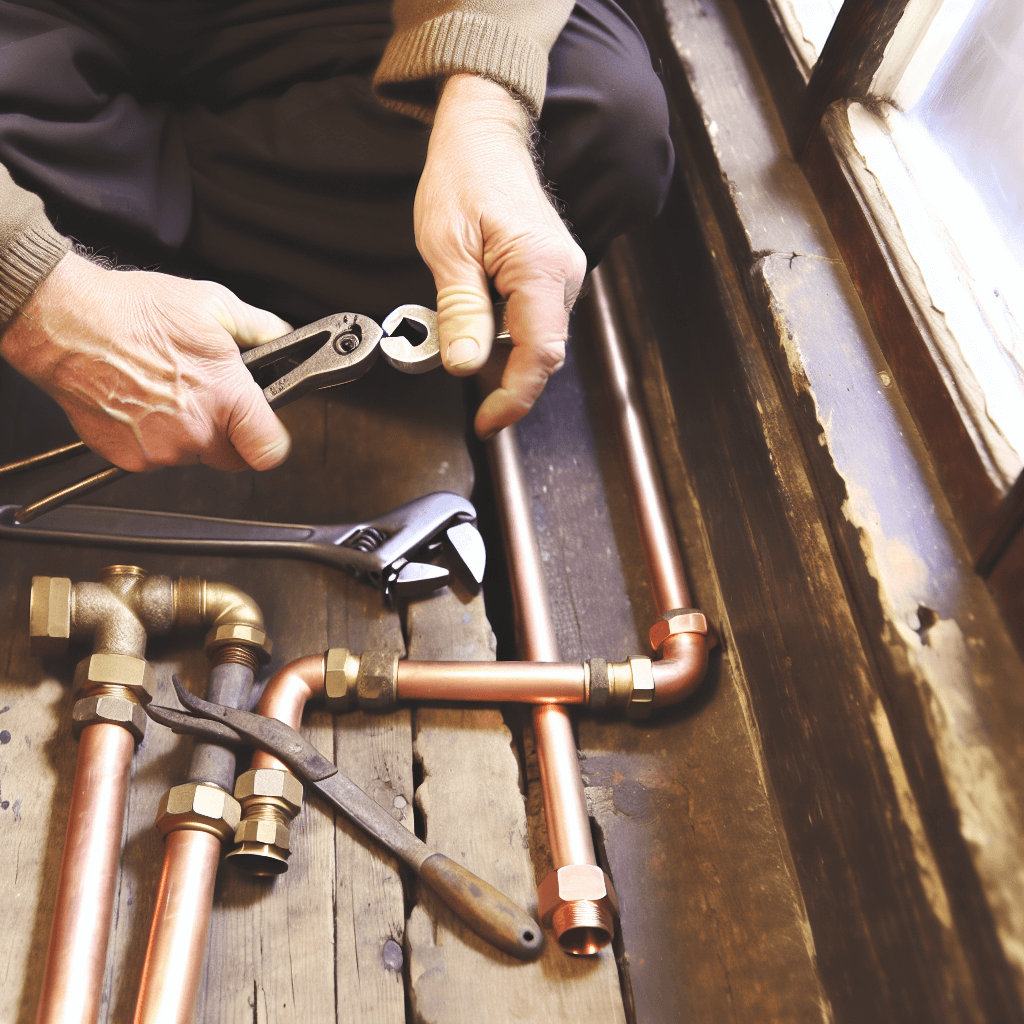
• Discover efficient and effective methods for repiping your old home, ensuring a seamless upgrade.
• Learn why professional plumbing services are the best choice for repiping projects, safeguarding your home’s integrity.
• Understand the importance of high-quality materials and skilled workmanship for long-lasting plumbing solutions.
Understanding the Need for Repiping
Repiping is an integral part of maintaining the integrity of your home’s plumbing system, especially in older homes nestled within Lathrop, CA, where time may have taken its toll on the pipework. It involves the replacement of all or some of the water supply pipes in a house, a task that not only ensures reliable water flow but also safeguards against potentially devastating leaks and water damage. The need for such an overhaul is often unmasked by symptoms that seem insignificant at first but can quickly escalate into full-blown crises. By understanding the basics of repiping, homeowners can make informed decisions about preserving the functionality and safety of their home.
Signposts of an Aging Plumbing System
Several telltale signs indicate the urgent need for a repiping old homes guide. Discolored water originating from rusted pipes is a clear warning signal, as it can affect water quality and pose health concerns. Frequent leaking, even if minor, can hint at an overall decline in pipe integrity, potentially leading to more severe leaks or bursts. Moreover, a noticeable drop in water pressure may suggest scale buildup or even hidden cracks that compromise the system’s efficiency and reliability.
Timing Your Repiping Project
Selecting the optimal time for a repiping project is crucial and can vary by region; for those in Lathrop, CA, the mild temperatures of fall provide a comfortable window for such significant home improvements. Scheduling your repiping during this season can mean less interference with your daily life and a smoother, faster work process. It’s also an opportune time to prepare for the colder months ahead, ensuring your home is well-equipped to handle the change in weather with a robust plumbing system. Remember, this pivotal step requires thoughtful planning and shouldn’t be rushed to guarantee the best outcome.
Choosing the Right Materials for Your Pipes
The journey to repiping your home begins with selecting the correct materials that will serve you long into the future. Options such as copper, PVC, and PEX each have their benefits, from the durability of copper to the cost-effectiveness and ease of installation provided by PVC and PEX. Such choices can be daunting, but understanding the specific needs of your household’s plumbing and the water quality in Lathrop will aid in making an informed decision. A crucial aspect to consider is the longevity and compatibility of these materials with your current system, ensuring a seamless integration and reduced need for future repairs.
Partnering with the Right Professionals
Finding a qualified plumber is instrumental in the repiping process, as expert installation is key to the longevity of your plumbing system. It’s essential to partner with a professional service, such as Knights Plumbing & Drain, revered for their meticulous attention to detail and comprehensive knowledge of various plumbing materials. They can guide you through the process, from evaluating your current pipes to recommending the best materials and providing a flawless installation. Their expertise in handling Lathrop’s unique plumbing challenges will bring an added layer of assurance to homeowners embarking on this vital home improvement task.
Step 1: Understand the Repiping Basics
Learn what repiping entails and why it’s necessary for old homes, especially in areas like Lathrop, CA, where houses may have aging plumbing systems.
Step 2: Identify Signs of Pipe Failure
Spot the common indicators that your home’s plumbing system needs repiping, such as discolored water, leaks, or decreased water pressure.
Step 3: Select the Right Time for Repiping
Schedule your repiping during a season that minimizes inconvenience and leverages Lathrop’s mild fall weather for a more comfortable project timeline.
Step 4: Choose Your Piping Materials
Decide on the best piping materials for your home, considering factors such as longevity, cost, and compatibility with existing plumbing.
Step 5: Find a Qualified Plumber
Research and hire a reputable local plumber experienced in repiping old homes, ensuring they understand the specific needs of Lathrop residences.
Step 6: Prepare Your Home
Take steps to ready your house for repiping, including clearing access to pipes and securing valuables.
Step 7: The Repiping Process
Understand the repiping process as your plumber carries out the work, from removing old pipes to installing new ones and reconnecting fixtures.
Step 8: Post-Repiping Check and Maintenance
After repiping, have a thorough inspection to ensure all systems are running smoothly and learn the necessary maintenance to prolong the life of your new pipes.
Common DIY Repiping Mistakes to Avoid
While it can be tempting to tackle repiping on your own, especially in an effort to save costs, understanding the complexities involved is essential to avoid costly errors. Novice mistakes not only jeopardize your home’s plumbing integrity but can also inflate the project budget when professional intervention is required to resolve missteps. Let’s delve into some prevalent blunders homeowners make during DIY repiping projects and how to steer clear of them.
-
Mistake 1: Inadequate Planning
– Failing to comprehensively plan the repiping project can lead to serious oversight and subsequent issues. To prevent this, thoroughly assess the scope of work, including the extent of the existing pipe network and material requirements, to create a detailed roadmap for the repiping process. -
Mistake 2: Choosing Unsuitable Materials
– Selecting the wrong materials for your pipes can lead to compatibility problems and reduced longevity. Avoid this by researching or consulting with a professional to understand which materials, such as PEX or copper, interact well with your home’s existing systems and local water conditions in Lathrop. -
Mistake 3: Ignoring Local Building Codes
– Overlooking the local building regulations in Lathrop can result in non-compliant installations and future legal complications. Prevent this issue by acquainting yourself with local codes or hiring a knowledgeable plumber who remains up-to-date with the regional standards. -
Mistake 4: Neglecting Proper Tool Usage
– Using incorrect or low-quality tools can compromise the installation integrity and safety of the repiping job. Ensure that you have the right tools for the task, and consider investing in quality equipment or borrowing professional-grade tools to complete the job accurately. -
Mistake 5: Overestimating Personal Skill Level
– An overconfidence in personal plumbing skills can lead to errors and damage. Recognize the limitations of your expertise and do not hesitate to seek professional help for complex tasks. This includes tasks like fitting new pipes, especially when dealing with critical areas of the plumbing system. -
Mistake 6: Poor Scheduling
– Conducting repiping at inopportune times, like during harsh weather or when your house is at full capacity, can unnecessarily complicate the project. Schedule the repiping during milder seasons, such as Lathrop’s fall, and when the house can easily accommodate the disruptions that come with major plumbing work. -
Mistake 7: Skimping on Inspections and Tests
– Bypassing thorough inspections and pressure tests after installation is a recipe for future issues. To avoid this, rigorously check your work every step of the way and perform the necessary tests to ensure the system is sealed, pressurized correctly, and functioning without leaks.
Preparing for the Repiping Process
As you gear up for repiping, there’s a need for groundwork at home to ensure a smooth transition. This involves clearing a path to your pipes, which could mean moving furniture or temporarily removing sections of drywall. It’s equally important to secure items of value to prevent accidental damage during the repiping process, ensuring your treasured belongings remain undisturbed.
Post-Repiping: Inspection and Maintenance
Following the installation of new pipes, a thorough inspection by your plumbing professionals is critical to confirm everything is functioning as it should. Homeowners should embrace a proactive stance on maintenance, keeping an eye on their plumbing system to catch any potential issues early on. For further guidance and expert assistance, consider reaching out to Knights Plumbing & Drain, which offers invaluable post-repiping services to safeguard your home’s plumbing integrity.